
BTOP in Action
The Alabama Department of Economic and Community Affairs (ADECA) worked with its regional and local stakeholders to develop and publish 12 Regional Broadband Investment Plans. The regional plans will help promote broadband investment based on the needs of each region, facilitate efforts to promote awareness and adoption, and identify sustainability strategies for broadband investments. Each region is in the process of implementing its plans that aim to advance economic development in some of the more underserved regions of the state.
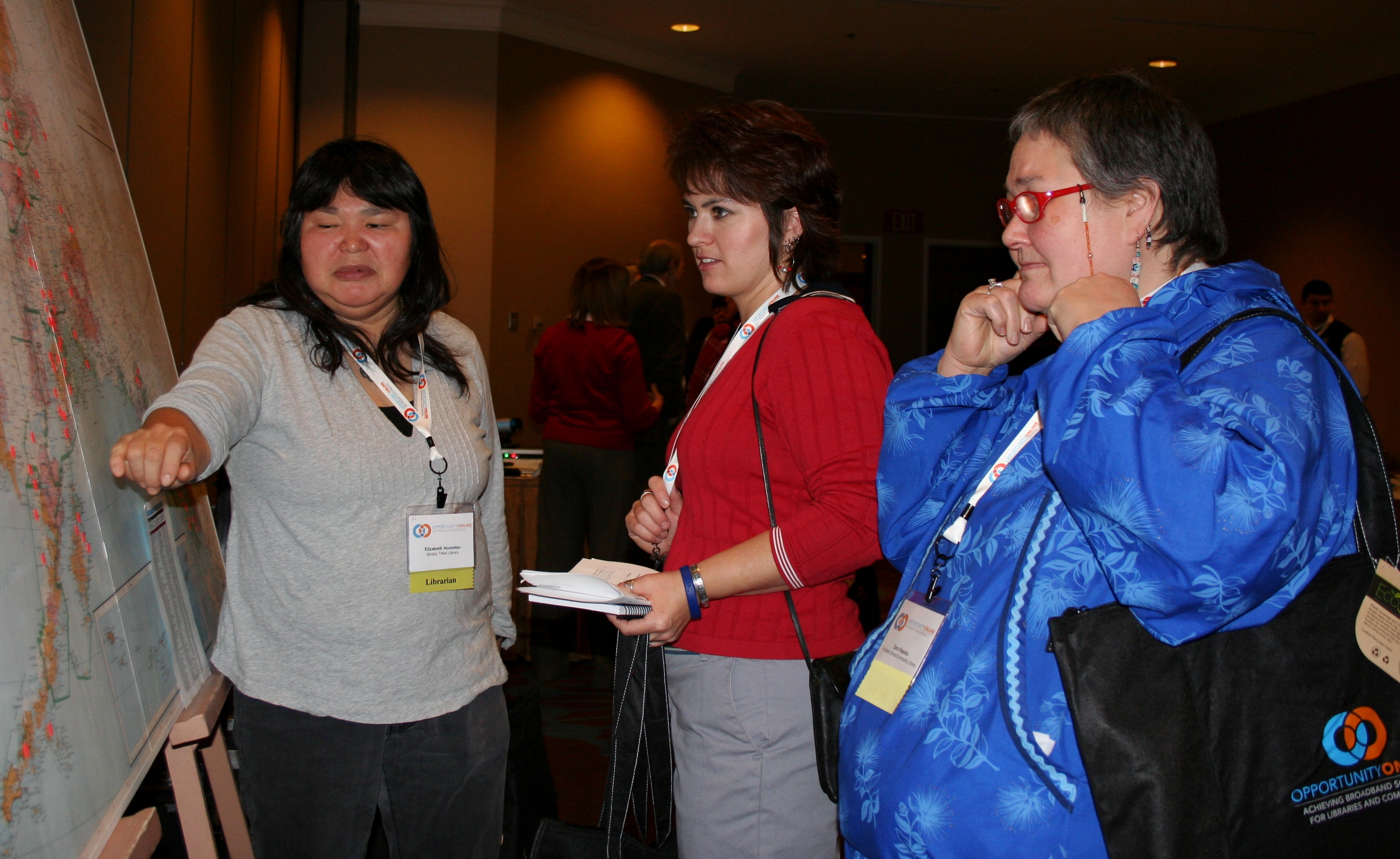
The Alaska Department of Education held a project launch meeting in Anchorage on December 15 and 16, 2010, for project partners and librarians from across the state. The $8.2 million Alaska OWL: Online with Libraries project will enhance public computer centers at 104 libraries in Alaska. In addition to providing faster Internet connections to these libraries, many in remote rural areas, Alaska OWL will establish an innovative public videoconferencing network for a number of purposes ranging from online training in remote villages to recording and preserving indigenous languages.
This collaborative effort primarily funded by the BTOP and the Bill and Melinda Gates Foundation will also use funds to extend library hours and create jobs. Currently, many local libraries are open for less than 20 hours each week. However, with the help of BTOP funds, these libraries will be able stay open for an additional five hours per week and serve approximately an additional 12,000 users. The Alaska Department of Education is in the process of hiring four employees to assist in launching the project and expects to hire an additional 65 part-time employees as Internet aides. To see local news coverage, please visit here.
Last Updated: October 19, 2011
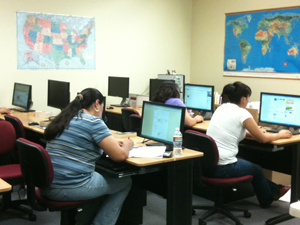
According to a 2011 American Library Association survey, 64.5 percent of libraries report that they are the only provider of free public Internet in their communities. The Arizona Public Access Computers (AzPAC) project, run by the Arizona State Library, Archives and Public Records division, targeted this need by deploying new computers in libraries across the state. These computers increased access to e-resources and enabled the libraries to provide training in digital literacy and technology skills.
Upon completion, the Arizona State Library, Archives and Public Records division had deployed more than 1,100 computers at more than 95 public library computer centers across the state. In conjunction with government, non-profit, and tribal organizations, AzPAC deployed the new computers to libraries serving 450,000 underserved citizens, many of whom did not have access to the Internet at home or work. In certain areas of Arizona, such as Yuma County, large populations of seniors relied on public libraries for access to computers and the Internet. In addition, three tribal libraries participated in the program.
Local members of the community used these computers for a variety of tasks, including completing online courses, filling out healthcare benefits, building resumes, and searching for jobs. AzPAC also provided resume building and job search training to stimulate employment and economic growth throughout the state. The project supported approximately 75,000 computer users per week.
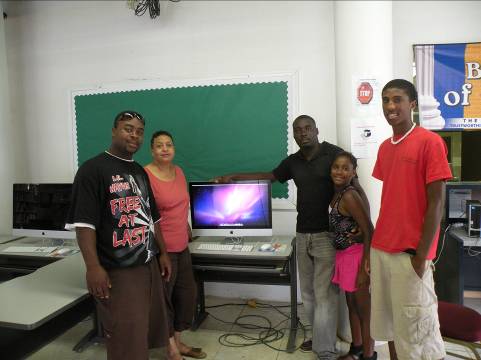
In March 2011, the Center for Governmental Services at Auburn University, in partnership with Tuskegee University and the Alabama Public Library System, began upgrading and adding Internet workstations in schools and libraries throughout Alabama. This statewide initiative is designed to provide visitors with computer resources that they can use to search for jobs online, find career development materials, and apply for employment, training, or related assistance. As of June 2011, BTOP funds have allowed the project to distribute 1,400 new workstations, which are serving an average of 29,300 students and library patrons per week at 66 public computing centers.
In many cases, these centers were using computers more than 10 years old. The response to receiving these new workstations from the librarians, patrons and students has been overwhelmingly positive. Members of hard-hit communities are using these new computers for schoolwork, jobs, and digital literacy training.
Auburn University is also providing training for library staff members. Librarians participate in webinars via Auburn University’s website and learn techniques for managing their new computer resources. Additionally, BTOP funds have allowed Auburn University to create six new jobs to assist with the project’s administration and distribution of new computers. By the end of the project, more than 130 locations in 55 counties throughout Alabama will receive $3.5 million worth of new computers and computer equipment.
Last Updated: October 14, 2011
Axiom Technologies offered sustainable broadband adoption programs to increase the utilization of technology in the fishing and farming industries in Washington County, Maine. Washington County is a major blueberry crop producer and is home to 23 percent of Maine’s small and medium-sized commercial fishing and marine harvesting operations, many of which are small, socioeconomically disadvantaged businesses.
Some of the farmers and fishermen who attended Axiom’s training classes had never used a computer, but learned to design websites, develop spreadsheets, and use office productivity software to improve operations and sales. Axiom also provided an entrepreneurship coach to help these small business owners identify skills and software to solve their business needs and acquire appropriate training.
Additionally, Axiom Technologies built new applications that helped improve the use of land and water resources and increased business knowledge and productivity software for economic development purposes. They developed and introduced MAPOnline, a data entry program that helped farmers and fishermen record statistical data from their business activities. Through June 2013, Axiom Techologies had recorded more than 400 new household subscribers and more than 60 business or community anchor institution subscribers.
Axiom’s CEO Susan Corbett, a past Women Impacting Public Policy (WIPP) AT&T Technology Innovator of the Year award recipient, noted that, “What we figured out is that through technology and education we will change the economic status of a region.”
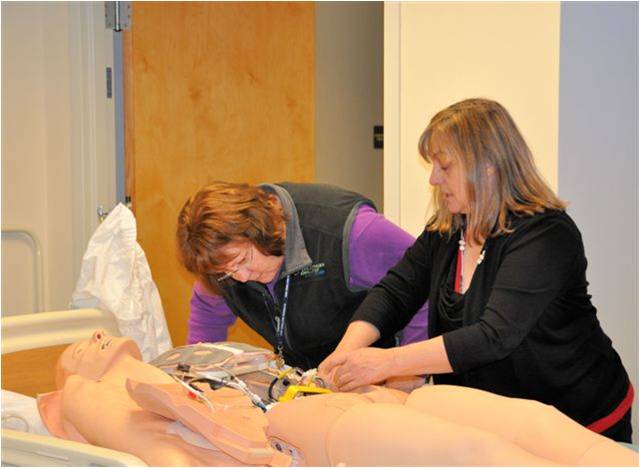
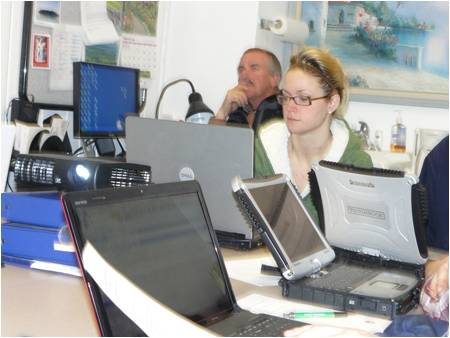
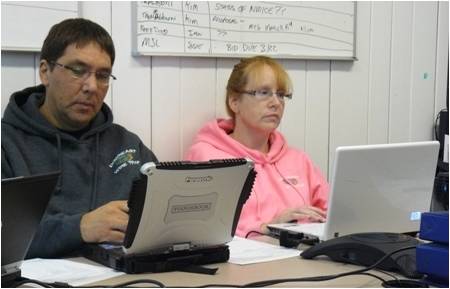
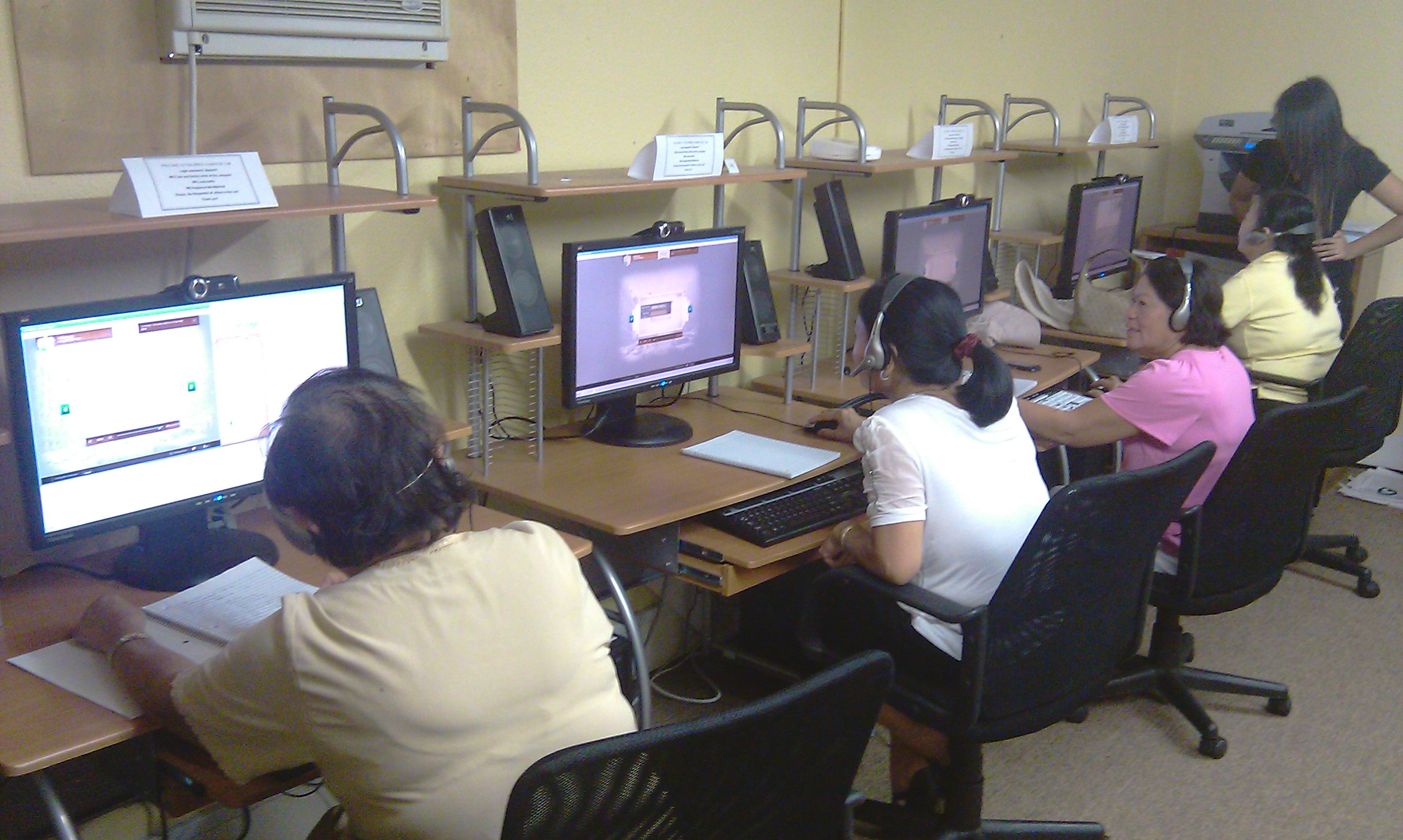
Through March 2012, Boat People SOS (BPSOS) delivered approximately 3,000 hours of training to more than 3,000 participants at public computer centers in Bayou La Batre, Alabama, and Louisville, Kentucky. BPSOS is implementing its Neighborhood Empowerment and Support through Teamwork (NEST) program to provide broadband access, training, education, and support to economically vulnerable individuals in these communities, both of which have significant Vietnamese immigrant and refugee populations.
BPSOS’s goal is to help people in these communities fully participate in today’s digital world by providing tools for economic and educational advancement. Through the NEST program, individuals participate in a variety of digital literacy and workforce development classes such as basic computer learning, English as a second language (ESL), resume building and job searches, how to use Skype and social media to communicate with family members abroad, and U.S. citizenship preparation.
In Bayou La Batre, a fishing and shrimping town of nearly 2,700 inhabitants, BPSOS collaborates with the community to help local fishermen and seafood processing plants reach new customers across the country. Fishing and shrimping business owners, many with limited English proficiency, can visit the BPSOS branch office in Bayou La Batre to obtain training and assistance with digital marketing. Additionally, BPSOS supplied laptops to Alba Middle School for a “rolling lab” on carts. Teachers use the laptops to help teach science, math, social studies, career exploration, and other subjects. BPSOS also equipped the community room of the Bayou Clinic with the technology to provide GED classes in partnership with a charitable organization.
In Louisville, BPSOS’s two computer centers provide training to help community members acquire the digital and workforce development skills needed in today’s economy. The two centers offer classes in basic and advanced computer concepts, ESL, citizenship preparation, online job searches and applications, and other topics. BPSOS also provides tutoring to youth, resources to get parents more involved in the education of their children, and even digital literacy training for senior citizens.
The C.K. Blandin Foundation worked to make broadband an integral part of Minnesotans’ lives through the Minnesota Intelligent Rural Communities (MIRC) project. MIRC was a collaborative project between the Blandin Foundation and project partners focused on supporting individuals and communities in rural Minnesota, especially the unemployed, small businesses, local leaders, and coalitions of government entities. The Blandin Foundation estimated that it had encouraged more than 56,000 households to subscribe to broadband services.
The Blandin Foundation partnered with the University of Minnesota Extension (UME) to provide technical assistance and training to small businesses in rural areas. UME held training and outreach events and provided technical assistance to small businesses with fewer than 10 employees in the retail, food, and tourism industries. The organization was also able to provide outreach to approximately 6,000 small businesses with a primary focus on minority and women-owned businesses.
Another project partner, the Minnesota Renewable Energy Marketplace (MNREM), provided technical assistance and training to renewable energy businesses in rural areas, and delivered at least 1,500 hours of training and technical assistance. MNREM resources focused on industry-specific, customer relationship management, and e-commerce applications designed to produce efficiencies and promote business growth.
Jim Hoolihan, former president and current trustee of the Blandin Foundation, stated, “In this incredibly fast-paced world of the Internet, one thing is clear: communities that invest in broadband connectivity, a robust knowledge workforce, digital inclusion, innovation and marketing, and advocacy will harness the power of the Internet and overcome barriers of distance. That’s the goal, and the critical work, of this statewide coalition.”
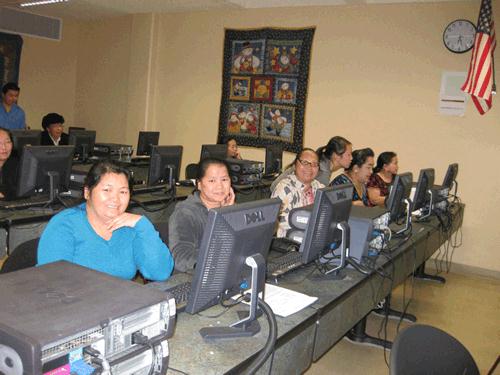
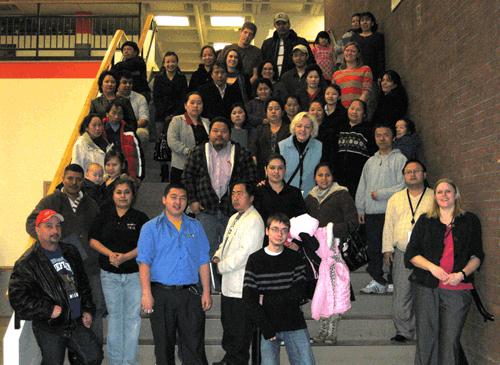
Representatives from BTOP recipient California Emerging Technology Fund (CETF) spent the weekend of September 18-19, 2010, reaching Hispanic residents in the Central Valley through community events. CETF sponsored a large booth at a Mexican Independence Day celebration in Fresno, distributing materials, answering questions, subscribing attendees for broadband services, providing onsite Internet access, and setting up e-mail accounts. The second event, sponsored by CETF’s partner, Radio Bilingue, was targeted at agricultural workers. Attendees received information about CETF’s broadband awareness and adoption campaign. CETF’s involvement in both events was designed to increase awareness of the importance of broadband access and to increase residents’ comfort around computers.
CETF partners also actively engaged community residents, sponsoring Computer Help Day events with Chinese‐speaking seniors in San Francisco’s Chinatown and San Mateo, implementing an education and awareness campaign intended to reach low-income Latino youth and adult audiences in the Central Valley, and promoting basic Internet classes at a farm worker community center in Half Moon Bay, hosting a booth at the San Mateo County Fair, and at two food distribution centers in San Mateo and Santa Clara Counties.
Last Updated: November 22, 2010
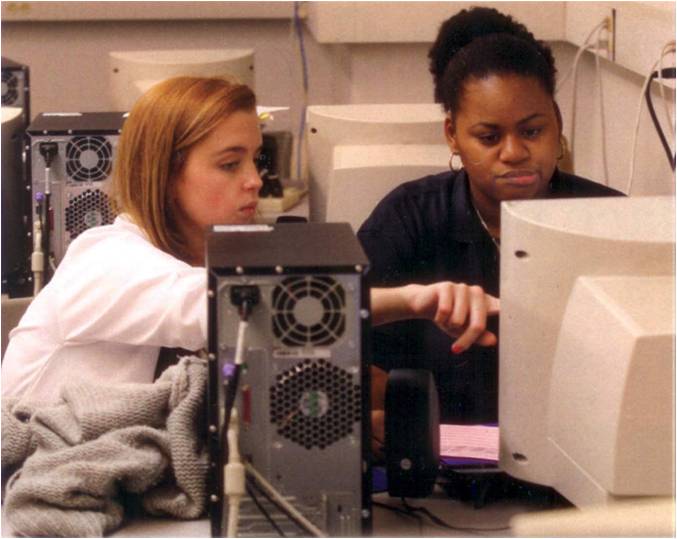
The Cambridge Housing Authority (CHA) re-opened two community computer centers, created a third, and started teaching digital literacy courses again in September 2010 after receiving BTOP funds. State budget cuts had forced CHA to close computer centers that offered job and computer training to more than 10,000 low-income public housing residents. With BTOP funds, CHA, in collaboration with the Cambridge Employment Program, moved quickly to host a clinic to help people conduct online job searches, prepare resumes, and submit resumes to potential employers. CHA also started five-week advanced computer classes and 15-week basic computer skills classes, which are offered to local residents. More than 30 participants signed up for the first five-week program focused on using Microsoft Office® productivity software and conducting online job searches. The 15-week course also has gained momentum with more than 72 students participating in specialized classes on digital editing and publishing software. CHA has also reinstated other services, such as the digital enhancement of its Gateway English for Speakers of Other Languages (ESOL) course and its family literacy and support program, Reading on Computers with Kids. Reopening the centers has already helped secure employment for 15 adults, all of whom faced being laid off after the computer centers closed in July 2008.
The BTOP funds also allowed the CHA to reopen and expand the digital component of its Work Force program, which provides comprehensive life-skills and vocational training for low-income youth. Participants receive academic tutoring, academic testing prep work, and mentored employment opportunities from eighth grade through their senior year of high school. Students use the computer labs to develop resumes, fill out job applications, and perform college searches.
Last Updated: October 14, 2011
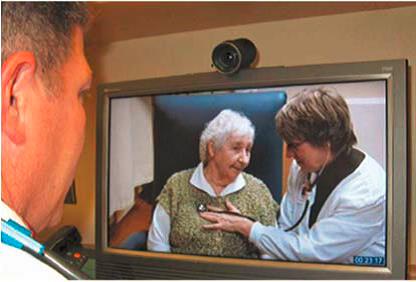
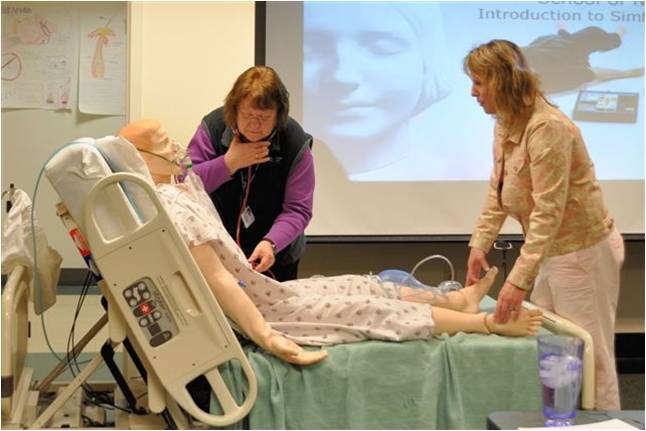
The Central Iowa Hospital Corporation, d/b/a Iowa Health-Des Moines (IH-DM), established the Rural Iowa Telehealth Initiative to deliver affordable healthcare to Iowans living in rural and medically underserved areas. The initiative also offered training and educational opportunities for the rural healthcare workforce. IH-DM provided an introduction to telemedicine presentation for shift leaders and staff members working in IH-DM Emergency Department facilities and women’s services. IH-DM also placed telemedicine equipment in physician offices, including specialties such as cardiology, neurology, and podiatry.
Clarke County Hospital, a rural partner, had 10 specialty clinics this quarter that improved care access to the inpatient population. The placement and adoption of telehealth equipment also has enabled family members of inpatients to participate in medical visits and meetings. Additionally, IH-DM deploys equipment, broadband connectivity, and support to community serving institutions, including the Southwestern Community College (SWCC). SWCC has made educational opportunities more accessible by offering distance learning classes, saving students a 60-mile commute. As of June 2013, IH-DM has recorded more than 80 new business and community anchor institution subscribers, including medical centers, EMS units, and provider clinics.